Hazmat Cleanup
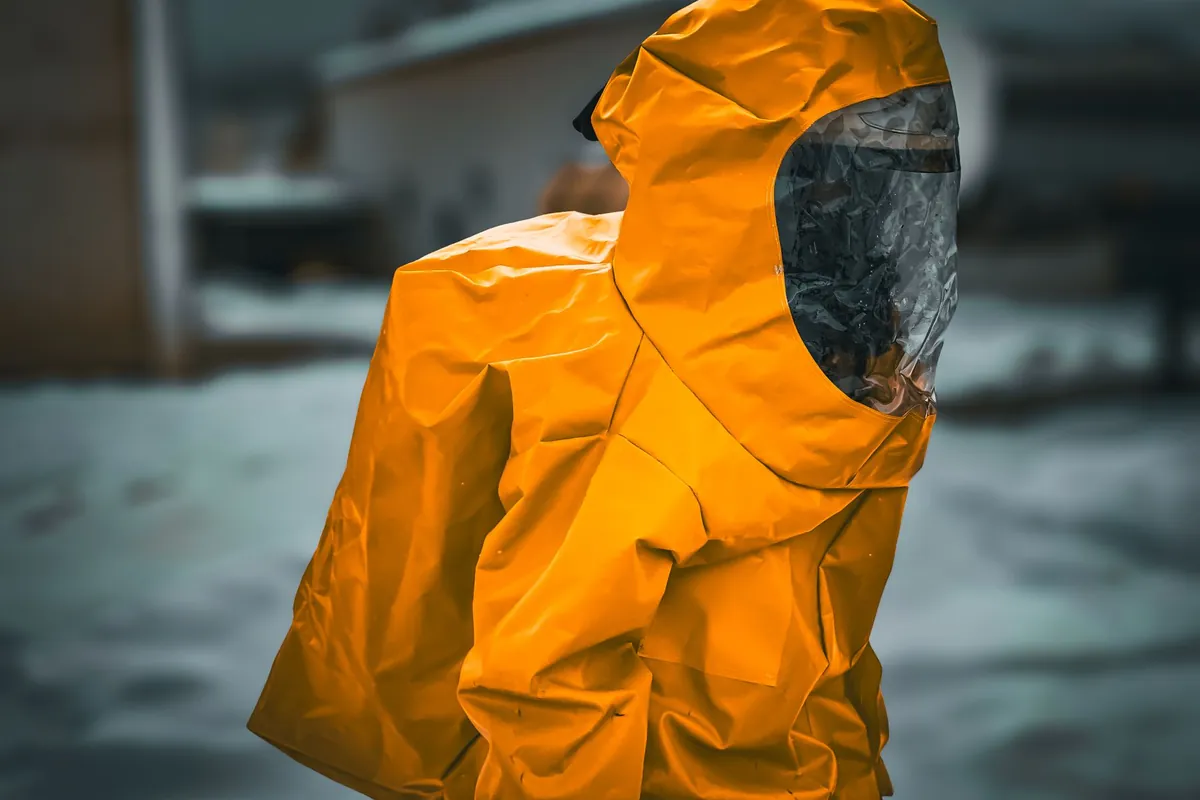
Protective equipment suited to hazardous materials is used during hazmat cleanup.
See hazmat cleanupGet help with chemical spills, toxic residue, damaged containers and contaminated materials in Vivian. The substance is identified before the cleanup method, packaging and waste route are chosen.
Chemical and toxic waste cleanup is the controlled removal of spilled products, residues, damaged containers and materials that became contaminated, followed by surface cleaning and proper waste disposal.
First, the material present must be identified. Information may come from its product label, a safety data sheet, shipping paperwork or a report by emergency responders. That identity determines the approach, since a technique suitable for one chemical could react with a different one. Never touch an unknown liquid or powder, lean in to smell it, or combine it with cleaning products. Every part of cleanup must be based on the identified substance's hazards.
Chemical cleaning services can apply to homes, garages, vehicles, rental units, warehouses, workshops and commercial properties. Cleanup involves defining the affected and surrounding areas, choosing protective equipment, stopping residue from spreading and separating cleanable items from hazardous waste. Biohazard remediation requires a separate process when bodily fluids, animal waste or other biohazards are present.
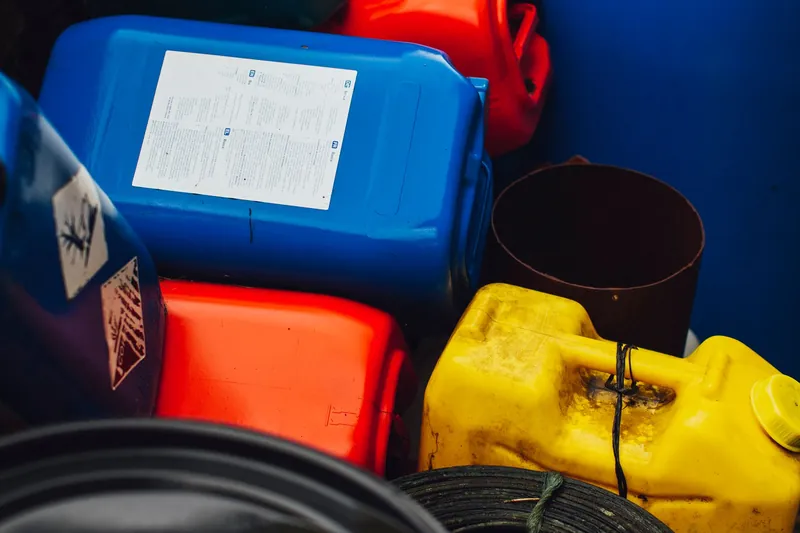
Items are separated by surface and exposure. Personal property is not exposed to one universal chemical process that might cause added damage.
Before work proceeds, you learn which facts are confirmed, what remains unidentified and the reason for every proposed cleaning, removal or containment measure.
Daytime and nighttime calls are answered, with arriving crews using discreet, unmarked vehicles. Before anyone plans entry, you can describe the substance, location and urgent concern.
Property owners and other responsible parties can receive arranged waste documents, photographs and cleanup scope details, as can insurance companies. Restoration services can use the documentation to see which materials were taken out prior to repairs.
Professional cleanup may be needed for an unidentified substance, possible fumes or reactions, a label that prohibits routine disposal, or contamination beyond a minor cleanable surface. Both the affected materials and the chemical determine how the work is planned. Common examples are:
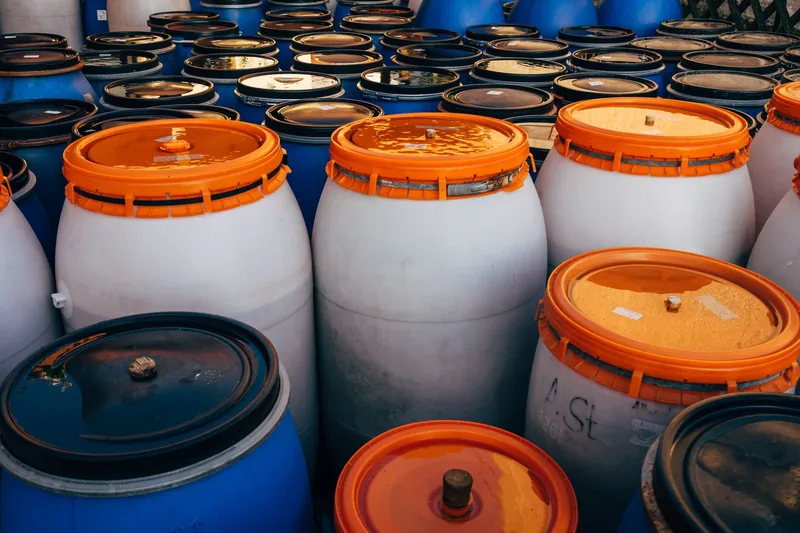
Mixed waste, aging bottles and drums should be separated while still closed, with nothing poured out or combined.
A property can contain chemicals with animal waste, bodily fluids, needles, feces or urine. Each risk calls for a separate cleaning process that is safe.
Do not select protective gear or cleaning methods until unlabeled stains, powders and liquids receive a cautious assessment. Follow law enforcement instructions if the material may relate to illegal activity.
A damaged container or process spill may require controlled access, documentation and coordination with the person responsible for workplace safety.
Your first goal is to avoid exposure and keep the material from being tracked into another area. Take only steps that do not bring you closer to the spill:
Call (888) 440-9227Fixr lists one hazardous chemical amount, which is $30 to $50 per barrel. Its role is to guide disposal costs, not to state a complete cleanup price. The final scope requires looking at the material and where it spread, since containment, identification, packaging, labor, transport and surface removal can all affect the total.
The figures shown are national ranges from published cost guides and are not based on an on-site visit. An on-site assessment determines your property's price, which is explained to you before the cleanup starts.
Ask about cost: (888) 440-9227Coverage is determined by your policy, the reason for the chemical release and the person who owned or controlled the substance. Assistance with an insurance claim may include arranging the work scope, receipts and photos, although only the insurer makes the coverage decision. Notify the company quickly and find out which documents it requires.
Commercial policies can differ. After reporting the event, the business or property owner should keep relevant records and labels and confirm whether environmental work and damaged items are covered.
Confirm whether testing, chemical cleanup, hazardous waste disposal, contents and restoration are covered. Also ask about your deductible and all required receipts, reports and photos.
Responsibility may involve the property owner, renter, employer, contractor or whoever brought in the material. A lease, work agreement and policy language can affect who pays.
A homeowners or renters policy may treat some sudden spills differently from gradual leakage, excluded pollutants or poor storage. Confirm how the event happened before approving work that is not urgent.
No single remediation routine works for every chemical. The known substance and its hazards should determine each step, with product details and information from the property establishing the sequence. A chemical cleaning service commonly follows these stages:
Technicians examine labels, safety data and site information, then map the affected area and surrounding areas before disturbing anything.
A controlled work area with limited access keeps tools, shoes and circulating air from moving contamination to other places.
The known hazard and planned task determine the choice of gloves, protective garments, eye protection and respiratory equipment.
Without combining materials that may react, technicians package recoverable liquids, damaged containers and powders in suitable sealed vessels.
Porous vehicle trim, pad, insulation, drywall or carpet must be removed if it cannot be made completely clean without risk.
For hard surfaces that are compatible, the cleaning approach follows the substance involved, the surface type and manufacturer guidance.
Applicable requirements and the kind of waste determine the proper facility for each labeled package.
You receive organized waste and cleanup records after the area is reviewed for remaining chemicals, odor and signs of tracked contamination.

You can call anytime. A chemical and toxic waste cleanup specialist answers, explains the steps and agrees a start time with you.
Chemical exposure can affect your breathing, skin, eyes or nervous system, and the correct precautions depend on the specific material and its concentration.
Shoes, gloves and equipment can transfer residue, while liquids and powders may also splash. Use the product details to determine decontamination procedures and suitable protective equipment.
Combining chemical containers, using a drain for disposal or throwing hazardous waste into household trash can cause a fresh reaction and extend the exposure.
Some products release vapors that travel beyond the visible spill. Odor is a warning to leave, but no smell does not prove that the air is safe.
Can you clean it yourself? Owner cleanup may fit a limited spill when the material is identified, nobody has symptoms, the label clearly explains cleanup and you are able to obey all safety instructions. If the product is unknown, reactive, strongly odorous or spread into a porous surface, keep out and seek professional cleanup or emergency guidance.
Decisions about keeping an item depend on what the chemical is, what surface it touched and how far it penetrated. Identification must happen first to avoid leaving hidden contamination behind.
Chemical hazard facts, product labels, safety data sheets and employee training are addressed for covered workplaces under OSHA Hazard Communication Standard 29 CFR 1910.1200 requirements.
You can find protective measures, incompatibilities, hazard details and response guidance on a product's label and safety data sheet. For an identified product, those details should direct the cleaning process.
What a material is and where it originated affect how waste rules apply. Before chemical waste is transported or discarded, its identity should be established, and local instructions may be more restrictive than household trash requirements.
When chemicals and biological contamination occur together, use an EPA-registered disinfectant that suits the surface and observe the label's full contact time. Disinfection does not replace chemical removal.
Chemical cleanup time cannot be set safely until the material, quantity and spread are understood. A known substance on an accessible hard surface is simpler than an unknown product that reached wall cavities, flooring, soil or several rooms.
The full chemical and toxic waste cleanup guide covers what is cleaned or removed, odor and air quality work, and the rules that apply in Louisiana and Caddo Parish.
Read the full chemical and toxic waste cleanup guideLocal housing, population and access details can shape containment, access and cleanup planning.
With renters in 25.3% of local homes, owner occupied properties form most of the housing context for cleanup planning.
Homes with a median construction year of 1971 may contain layered renovations that hide affected materials beneath newer finishes.
A 33.4% share of seniors living alone matters because longer discovery times can allow odor and contamination to spread farther.
Housing at 66.5% single-family occupancy calls for flexible cleanup planning rather than assumptions based on one building type.
During your call, ask whether cleanup is available in surrounding communities and ZIP codes.
Protective equipment suited to hazardous materials is used during hazmat cleanup.
See hazmat cleanup
Tear gas and pepper spray residue cleanup after police or self-defense use.
See tear gas and pepper spray cleanup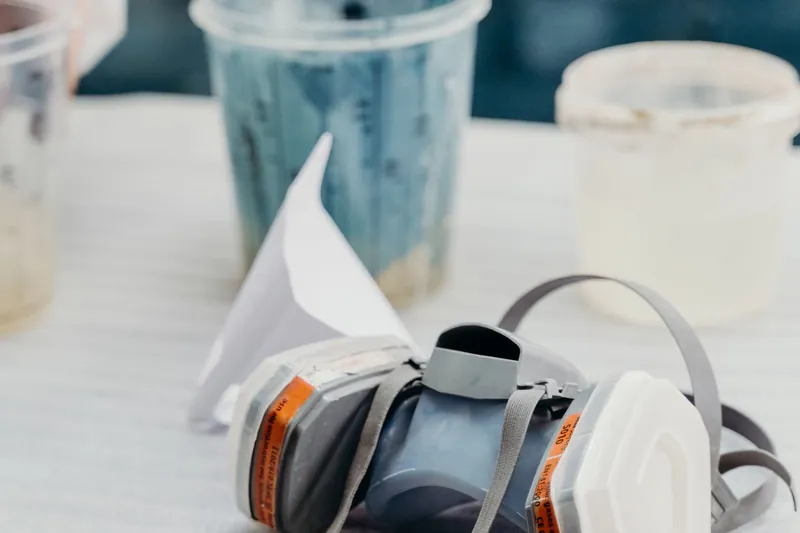
Meth lab cleanup with residue testing, decontamination and clearance steps.
See meth lab cleanup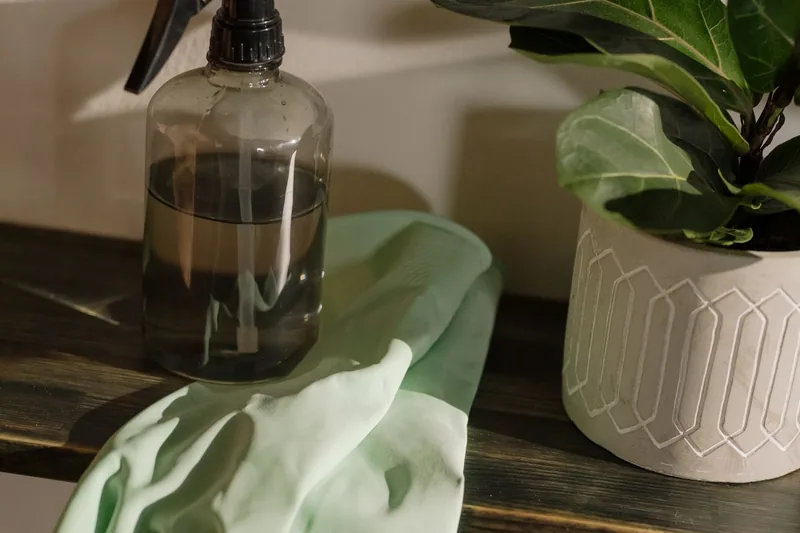
After fentanyl exposure, decontamination addresses rooms, vehicles and other surfaces.
See fentanyl decontamination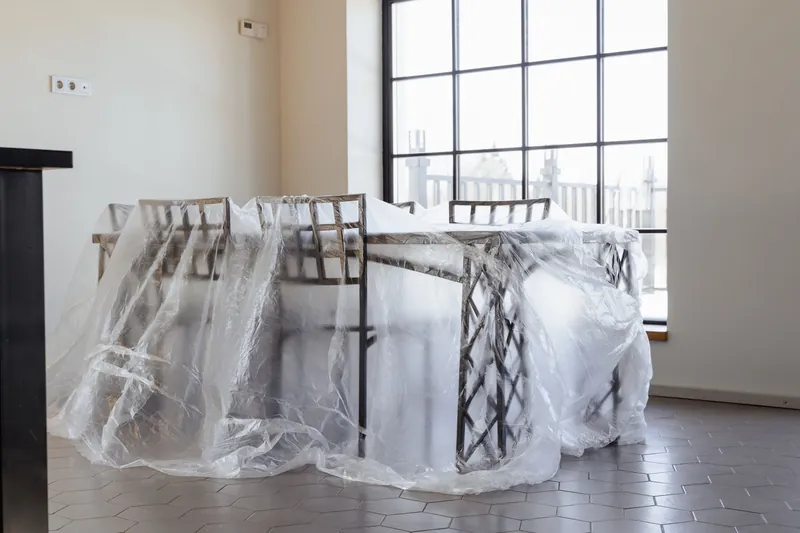
Grow house cleanup of mold, chemicals and damage left by indoor growing.
See marijuana grow house cleanup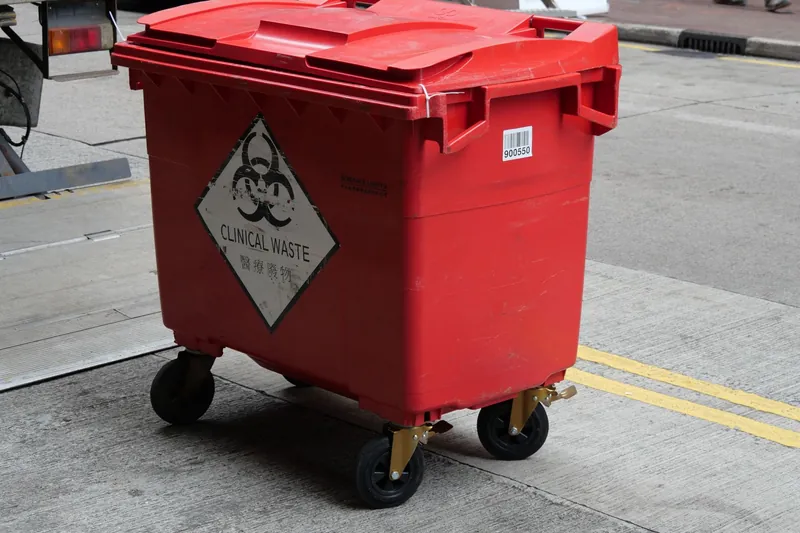
Medical waste removal and disposal through approved treatment facilities.
See medical waste removal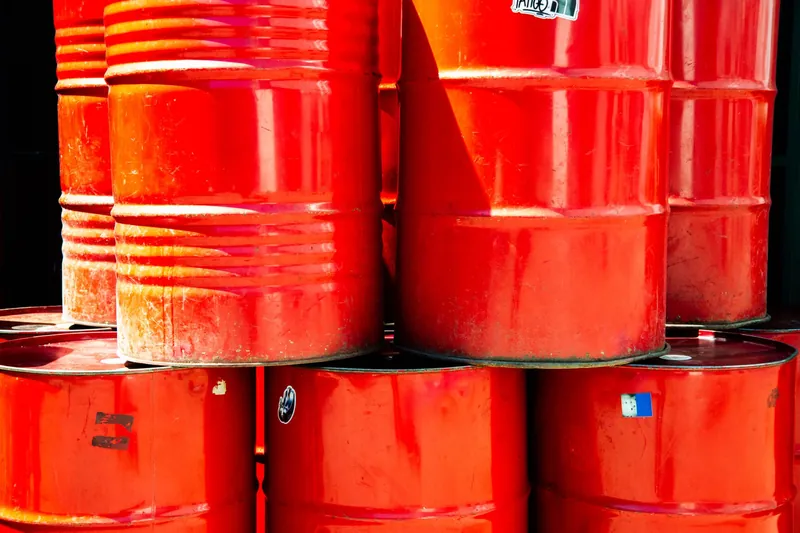
Pickup and disposal of biohazard waste use containers that are sealed and labeled.
See biohazard waste disposal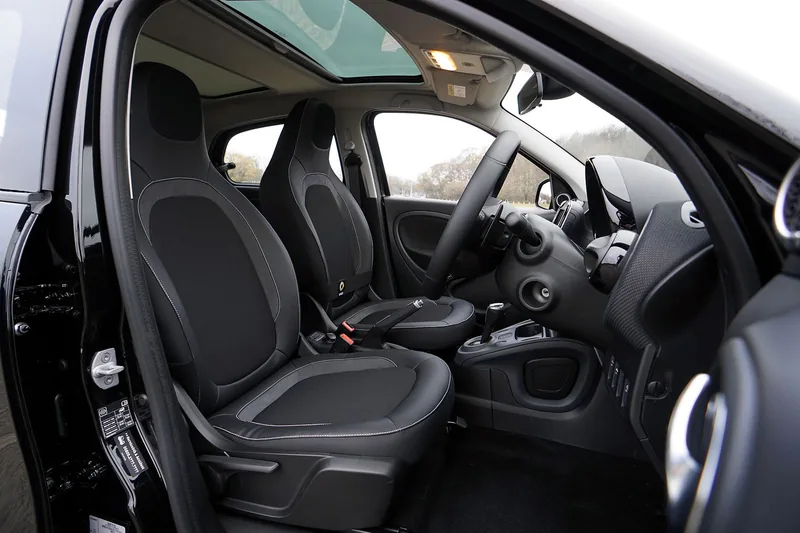
Cars, boats, trucks and RVs receive vehicle biohazard cleanup.
See vehicle biohazard cleanupYou cannot assume a common cleaning product is safe with an unidentified chemical. Prevent pets and people from approaching, do not touch or closely sniff the material, and add no bleach, water or other product. Exit and contact emergency services when you notice symptoms, chemical activity, smoke, unusual heat or fumes.
After identification, waste stays apart from incompatible substances and is packaged in appropriate sealed containers bearing content labels. Choosing the right disposal and transport path requires knowing the waste category and governing requirements. To understand what departed your property and where it was sent, ask to receive the available waste paperwork.
You should not seek a chemical to break down feces. First remove solids while wearing proper protective equipment, then clean compatible surfaces and apply disinfectant. Never mix bleach with ammonia or other cleaners. If waste is dry or extensive, chemically mixed or embedded in flooring and drywall, hiring professional cleanup is the safer option.
Bodily fluid cleanup practices apply to urine contamination. When accumulation is extensive or long-lasting, it can create a sharp ammonia-like odor and damage porous material. Do not introduce another cleaner or bleach when the existing substances are unknown because they may react dangerously. Trying to cover the smell is less safe than taking out soaked materials, eliminating the source and using a suitable cleaning method.
Human feces is a biological contaminant, not simply a toxic chemical. Dried material may send contaminated particles into the air when disturbed, and a large buildup can produce irritating smells and poor air quality. Keep different cleaners from mixing on feces. Maintain distance, use ventilation solely when it can be done safely and request urgent assistance for breathing problems.
Infectious substances, including blood, certain animal waste and bodily fluids, are biological hazards. The corrosive, poisonous, flammable or reactive qualities of a substance create chemical hazards. One event may involve both. Correct identification is an essential starting point since protective gear, cleaning agents, packaging and waste disposal depend on the hazard type.
Discreet, respectful chemical and toxic waste cleanup, 24 hours a day, with crews in unmarked vehicles.